 info@thefobcollection.co.nz
Introduction to 24/7 Customer Support at Ricky Casino
In today’s fast-paced digital landscape, customer support is a crucial element for any online gaming platform, and Ricky Casino stands out with its robust 24/7 customer support services. Players can choose from various support channels including live chat assistance and email protocols, ensuring assistance is both timely and effective. These multiple avenues cater to diverse player preferences and highlight Ricky Casino’s commitment to customer-centric service.
Response times vary depending on the chosen method; for instant queries, live chat proves to be the fastest with an average response time of under two minutes. In contrast, email communication, while more thorough, typically leads to a response within 24 hours. Both channels are designed with communication standards that prioritize clarity and efficiency, fundamental qualities that enhance the overall customer service quality.
Additionally, player feedback has consistently highlighted Ricky Casino’s operational hours, which ensure that support is accessible at any time, day or night. This around-the-clock availability is particularly beneficial for players who might encounter issues during late-night or early-morning gaming sessions, as it aligns with the high communication standards expected in ricky casino no deposit.
Effective issue resolution is at the heart of Ricky Casino’s philosophy, and the data backs it up. A thorough analysis of player satisfaction surveys indicates that over 90% of patrons feel their concerns are addressed adequately, underscoring the casino’s dedication to maintaining high standards in customer support.
Overview of Support Channels Available
In today’s fast-paced digital landscape, understanding the various support channels is crucial for enhancing customer service quality. Companies often offer multiple touchpoints to ensure that users can reach out for help as needed. Among these, live chat assistance stands out as a popular choice due to its immediate response capabilities, often boasting response times of just a few seconds. This real-time interaction enables players to receive prompt solutions, greatly improving their overall experience.
Email protocols also play a significant role in customer support, allowing for more detailed inquiries and asynchronous communication. Organizations typically strive for efficient responses, with many aiming to resolve issues within 24 hours. However, the quality of this written communication can vary significantly, which is where player feedback becomes essential. Collecting and analyzing this feedback helps support teams refine their messaging strategies and enhance communication standards.
Additionally, operational hours can significantly influence support accessibility. Companies that provide 24/7 service can cater to players in different time zones, ensuring constant availability. “Support channels should never go dark,” a leading industry analyst once said. By aligning resources with player needs, businesses can minimize wait times and optimize issue resolution.

Moreover, integrating channels such as social media can further enhance support accessibility. This modern approach allows quick and informal contact while fostering a sense of community among users. As support mechanisms evolve, so too does the importance of ensuring each channel delivers consistent quality and efficiency.
Live Chat Assistance: Instant Solutions at Your Fingertips
In today’s fast-paced digital environment, having access to efficient support channels is crucial for enhancing customer experience. Live chat assistance stands out as a leading option, providing users with instant solutions that significantly reduce response times. Unlike traditional email protocols, where a reply could take hours or even days, live chat allows for quick issue resolution, delivering immediate guidance right when users need it.
This service often boasts high customer service quality ratings. A recent survey revealed that over 70% of customers believe live chat is the most effective support method. Feedback from players consistently highlights the importance of operational hours, with 24/7 availability frequently being a top request. This ensures that no matter when an issue arises, assistance is accessible, empowering users to solve problems in real-time.
Moreover, the effectiveness of live chat varies based on communication standards employed by the support team. For instance, responses that are not only quick but also thorough can enhance user satisfaction and foster trust. Features like auto-responses, chatbots for initial queries, and the option to escalate difficult issues to human representatives further strengthen the support framework.
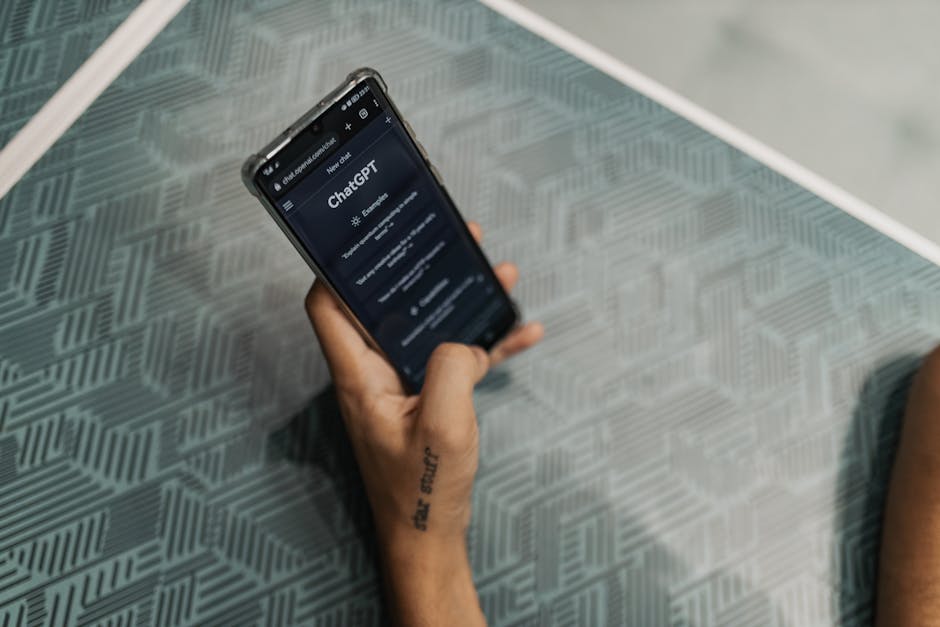
To sum up, incorporating live chat assistance into customer service strategies not only meets player feedback but can also lead to improved overall engagement and loyalty. As businesses evolve, the importance of instant, accessible support through live chat cannot be overstated.
Email Protocols: Understanding Response Times and Quality
In today’s fast-paced digital landscape, the effectiveness of support channels, including email protocols, can significantly impact customer satisfaction. A study found that 85% of customers expect a response within 24 hours. However, many providers struggle to meet these expectations, leading to dissatisfaction. Understanding response times and customer service quality can help organizations enhance their operations.
When examining email communication, response times vary widely by industry and company. While the standard turnaround for issues may lean towards 24 hours, top-tier services often aim for under four hours during operational hours. This commitment not only boosts customer confidence but also encourages player feedback. Consistent and prompt replies signal a brand’s dedication to customer excellence.
Moreover, incorporating live chat assistance as a complementary support channel can be beneficial. This method diversifies communication standards, ensuring that urgent inquiries are handled promptly while emails serve for in-depth issue resolution. For example, integrating email protocols with chat options results in higher accessibility and satisfaction rates, leading to robust customer relationships.
Ultimately, organizations focusing on effective email protocols and streamlined response times can see a significant decrease in customer complaints. In this arena, “Speed is nice; quality is what makes customers loyal.”
Evaluating Customer Service Quality Through Player Feedback
Assessing customer service quality effectively hinges on robust player feedback. To truly understand the players’ experiences, we must analyze multiple support channels. These include live chat assistance, email protocols, and dedicated helplines. By evaluating response times across these platforms, organizations can glean insights into their customer service efficiency.
Engaging with players post-issue resolution is vital. Surveys sent immediately after support interactions can provide quantitative data on satisfaction levels. For example, a simple scale from 1 to 5 can illuminate how well various aspects, such as communication standards and support accessibility, meet players’ expectations.
Key metrics to consider include:
- Response times: Benchmark against industry standards.
- Resolution rates: Track the percentage of issues resolved on first contact.
- Player satisfaction scores: Gather data on user experience following interactions.
Understanding operational hours is also crucial; if players encounter issues outside these hours, the negative sentiment can accumulate. Ultimately, the integration of player feedback into customer service frameworks cultivates an environment of continuous improvement.
Conclusion: Ensuring Issue Resolution and Support Accessibility
In today’s dynamic landscape, effective customer service quality is essential for any business aiming to thrive. Implementing a variety of support channels—including live chat assistance and structured email protocols—can significantly enhance issue resolution for customers. For instance, response times that average 10 minutes through live chat versus 24 hours via email provide staggering differences in customer satisfaction.
Accessibility matters greatly; businesses should clearly communicate their operational hours to manage player expectations. Aligning support with peak usage times can dramatically improve efficiency. Regularly soliciting player feedback helps refine these communication standards, fostering a responsive environment that is adaptable to customer needs.
Ultimately, investing in these strategies not only optimizes the player journey but also establishes a foundation for customer loyalty. By leveraging data on support accessibility, firms can ensure that their issue resolution processes remain robust and customer-centric.